Renew Vein & Vascular

Health

Patient learning about the effects of chronic stress on vein health and circulation at Renew Vein & Vascular in Bell Gardens, California.
Health

How Stress Affects Your Circulation More Than You Think

Most people know that stress takes a toll on mental health, sleep, and energy. What fewer people realize is that stress also causes direct, measurable changes to the cardiovascular system, including the veins in your legs. The connection between chronic stress and worsening vein symptoms is well-established in vascular medicine, and it is one of the most overlooked contributing factors in patients who find their leg symptoms getting worse over time. At Renew Vein & Vascular in Bell Gardens, we take a whole-picture approach to vein health that includes understanding what is happening both inside and around the body. If stress has been a constant in your life and your legs have been suffering for it, scheduling a consultation is a good place to start. Stress is not just a mental experience. From the moment your body perceives a stressor, it triggers a cascade of hormonal and physiological responses that directly affect blood flow, vessel walls, and the function of your veins. What Stress Hormones Do to Your Blood Vessels When the body senses stress, the adrenal glands release two primary hormones: cortisol and adrenaline. Adrenaline causes the heart rate to accelerate and blood pressure to spike, preparing the body for a physical response. At the same time, blood vessels in non-essential areas, including the skin and lower legs, constrict, redirecting blood flow toward the major muscle groups and the brain. In the short term, this is a useful survival mechanism. The problem is that most modern stressors are not brief physical threats. They are persistent and ongoing, and that persistence is where the damage accumulates. When blood pressure spikes repeatedly over weeks and months, the sustained pressure puts increasing wear on the walls of blood vessels and on the delicate valves inside the leg veins. Research shows that blood pressure can spike by 20 to 30 mmHg during an acute stress response. Over time, elevated cortisol levels damage the endothelium, the inner lining of blood vessels, making it less elastic, more inflamed, and more vulnerable to injury. At Renew Vein & Vascular, patients are often surprised to learn that the physical effects of chronic stress on their vascular system can be as significant as lifestyle factors they have spent more time thinking about. Inflammation and the Venous System One of the most clinically relevant effects of chronic stress is its role in promoting inflammation. Sustained activation of the stress response elevates inflammatory markers throughout the body, and those inflammatory processes directly affect vein walls and valve function. Inflamed vein walls become less elastic and less able to rebound after expansion. Valves that are operating under persistent inflammatory pressure are more likely to weaken, allowing blood to flow backward and pool in the lower legs. This is the same mechanism that underlies chronic venous insufficiency, and stress is one of the factors that can accelerate its progression in patients who already have some degree of valve dysfunction. Patients who have been managing their vein symptoms and notice them worsening during a particularly stressful period are often observing this connection directly, without necessarily recognizing its cause. Clotting Risk and Circulation Chronic stress also changes the way blood itself behaves. Sustained high levels of stress hormones increase the concentration of clotting factors in the bloodstream, making blood more prone to forming clots. For patients with existing venous insufficiency or limited mobility, this elevated clotting tendency adds a meaningful layer of risk that is worth taking seriously. Deep vein thrombosis, the formation of a blood clot in a deep vein, is a serious complication of poor venous circulation, and chronic stress independently raises the likelihood of clot formation in ways that compound the baseline risk. The Lifestyle Spiral Beyond the direct physiological effects, chronic stress tends to drive behaviors that further compromise circulation. People under sustained stress often become less physically active, sleep poorly, eat foods that promote inflammation and water retention, and in some cases turn to smoking or alcohol, all of which have independent negative effects on vascular health. This behavioral component creates a spiral in which stress worsens vein symptoms, discomfort reduces activity, reduced activity worsens vein symptoms further, and the cycle continues. Interrupting that cycle requires addressing both sides of it. Stress management practices including regular physical activity, deep breathing, and adequate sleep all have direct positive effects on circulation, not just on mental state. Consistent walking activates the calf muscle pump that helps move blood out of the lower legs. Lower resting blood pressure from stress reduction takes some of the chronic pressure off vein walls. These changes matter, even if they do not replace treatment for underlying venous insufficiency. Managing Stress Is Not Enough on Its Own It is important to be clear about what stress management can and cannot do for vein health. Reducing stress can slow the progression of venous disease, reduce symptom severity during high-stress periods, and improve the body’s overall circulatory environment. It cannot repair damaged valves, close diseased veins, or reverse insufficiency that has already developed. Patients experiencing significant leg symptoms alongside chronic stress benefit from both: lifestyle and stress management changes as a foundation, and medical evaluation and treatment for the venous component. Take the Next Step at Renew Vein & Vascular Understanding the connection between stress and your circulation is the first step toward doing something meaningful about it. At Renew Vein & Vascular in Bell Gardens, our team evaluates the full picture of what is contributing to each patient’s symptoms, including factors that are often overlooked. If chronic stress has been a constant in your life and your legs have been paying the price, contact us to schedule a consultation and find out what your veins actually need. Frequently Asked Questions Can stress cause varicose veins? Chronic stress can accelerate the development or worsening of varicose veins by raising blood pressure, promoting inflammation, and weakening vein walls and valves over time. While stress alone is rarely the sole cause, it is a meaningful contributing factor, particularly in patients

Thrombolytic therapy intervention for dissolving blood clots featured by Renew Vein & Vascular in Bell Gardens.
Health

Why Quick Action Matters: The Truth About Thrombolytic Therapy

Renew Vein & Vascular explains why getting prompt thrombolytic therapy when blood clots occur can make the difference between recovery and irreversible damage in emergencies like stroke, heart attack or pulmonary embolism. Thrombolytic therapy timing directly influences outcomes by restoring blood flow quickly and reducing tissue injury. Early treatment helps protect vital organs and minimizes long-term disability. Learn how timely care can save lives and why you should reach out to discuss your vascular health options today. From a sudden stroke to a pulmonary embolism, when blood clots block critical blood flow, every minute counts — that’s where thrombolytic therapy timing becomes life-saving. This clot‑busting treatment (also called fibrinolytic therapy) uses medications to dissolve dangerous clots and restore blood flow to affected tissues, reducing the risk of permanent damage. Acting quickly dramatically improves outcomes, particularly in acute ischemic stroke and heart attack, where delays can lead to lasting disability or even death. Understanding how and why timing matters can empower you or a loved one to seek care right away — and a conversation with our team could be your first step toward preventive vascular wellness.   What Is Thrombolytic Therapy? Thrombolytic therapy is a medical treatment designed to dissolve blood clots that suddenly form in blood vessels and block blood flow to critical organs and tissues. Sometimes called clot‑busting or fibrinolytic therapy, this approach uses specialized medications that convert plasminogen into plasmin — an enzyme that breaks down fibrin, the core structural protein of a clot. Healthcare providers administer these drugs either through a peripheral intravenous (IV) line or via a catheter advanced directly into the clot’s location. The overall goal is to reopen blocked arteries or veins as quickly as possible, minimize damage, and support recovery.   Why Timing Is Essential When blood flow stops to the brain, heart, lungs or limbs, tissues begin to die within minutes. That’s why the timing of thrombolytic therapy is so critical: Brain: In an acute ischemic stroke, administering thrombolytics within a narrow window (often within 3–4.5 hours of symptom onset) significantly increases the chance of a good recovery with fewer long‑term disabilities. Heart: For heart attack patients, early clot dissolution helps salvage heart muscle and preserves function. Lungs: In pulmonary embolism, prompt treatment may restore breathing and prevent shock. Delaying treatment even by a short period can reduce effectiveness, leaving organs damaged and recovery more difficult. That’s why recognizing symptoms and acting fast matters.   How Thrombolytic Medications Work Thrombolytic agents interact with your body’s fibrinolytic system to dissolve clots: Activation: They activate plasminogen, turning it into plasmin — a potent clot‑dissolving enzyme. Action: Plasmin breaks down fibrin strands that hold the clot together. Restoration: Once the clot dissolves, blood flow can return to the affected tissue, reducing damage and improving outcomes. Common thrombolytic drugs include alteplase (a recombinant tissue plasminogen activator), tenecteplase and urokinase, each with specific indications and administration methods.   Recognizing When Quick Action Matters Because thrombolytic therapy timing is so important, early recognition of symptoms is crucial. Common signs of conditions requiring thrombolysis include: Sudden numbness or weakness, especially on one side of the body (stroke) Chest pain or pressure, sweating, shortness of breath (heart attack) Sudden breathlessness, sharp chest pain, coughing blood (pulmonary embolism) Prompt medical evaluation — such as calling emergency services — is the fastest way to get to thrombolytic treatment when needed. Once in a hospital setting, providers can assess eligibility and administer therapy without delay.   Who Can Benefit From Timely Thrombolytic Therapy? Not everyone with a clot will be a candidate for thrombolytic therapy, but many acute emergencies benefit from rapid administration: Acute ischemic stroke: Best outcomes occur with early intervention. Acute myocardial infarction: Clot dissolution protects heart muscle. Pulmonary embolism: Restored lung blood flow can be life‑saving. Deep vein thrombosis: It may be appropriate in select severe cases to prevent long‑term complications. Physicians will consider factors like bleeding risk, time since symptoms began, and overall health before recommending thrombolytic therapy.   Risks and What to Expect Like all medical treatments, thrombolytic therapy carries potential risks: Bleeding: The most significant concern is bleeding, which can range from minor bruising to serious internal bleeding. Allergic reactions: These are uncommon but possible. Reocclusion: Clots may reform after successful dissolution. Despite risks, when administered quickly and appropriately, the benefits often outweigh potential complications — especially in life‑threatening situations.   Beyond the Emergency: Prevention and Long‑Term Care After successful thrombolytic therapy, your care doesn’t end. Physicians often recommend: Blood thinners (anticoagulants) to prevent new clots. Lifestyle changes such as diet modification, exercise and smoking cessation. Follow‑ups with vascular specialists to assess vascular health and reduce future risk. Proactive management helps maintain blood flow, reduce complications and supports long‑term wellness.   Choose Renew Vein & Vascular for Your Vascular Health When vascular emergencies highlight the importance of rapid treatment, having an expert team on your side makes all the difference. At Renew Vein & Vascular, our specialists understand how thrombolytic therapy timing impacts outcomes and can guide you on preventive, comprehensive care designed to support your circulatory system. Whether you’re managing risk factors or exploring treatments for peripheral arterial disease, our compassionate team is here to partner with you toward healthier blood flow and a better quality of life. Contact us today to discuss your vascular care needs and take proactive steps toward lasting health.   Frequently Asked Questions What exactly is thrombolytic therapy? Thrombolytic therapy refers to using medications that dissolve dangerous blood clots in emergency situations, restoring blood flow to critical organs. It’s also called clot‑busting or fibrinolytic therapy. How soon must thrombolytic therapy be given after symptoms begin? Timing is crucial — for conditions like ischemic stroke, therapy is most effective when given within a few hours of symptom onset. Delays may lead to reduced benefits and increased risk of long‑term damage. Are there risks to thrombolytic therapy? Yes, the most significant risk is bleeding, which can range from minor to serious internal bleeding. Physicians carefully evaluate each patient to weigh these

Lifestyle tips for healthier legs featuring movement and elevation advice from Renew Vein & Vascular in Bell Gardens.
Health

Move, Elevate, Repeat: Lifestyle Tips for Healthier Legs

Adopting effective lifestyle tips for healthier legs can make a lasting difference in your circulation, comfort, and overall vascular well‑being. Simple daily habits — such as moving regularly, elevating your legs, and choosing supportive footwear — support circulation and reduce pressure on leg veins. At Renew Vein & Vascular, we emphasize preventive care that complements professional treatments and enhances your leg health. Embrace these practical strategies to feel better on your feet and maintain leg vitality. Your legs carry you through life’s moments — from daily errands to lifelong adventures — and taking care of them matters more than you might think. Lifestyle tips for healthier legs aren’t about complicated routines; they’re rooted in simple, science‑supported habits that improve circulation and reduce discomfort. Whether you’re on your feet all day, sitting at a desk, or just want lighter, more energetic legs, there are steps you can take today to feel better tomorrow. The Power of Movement for Leg Health Movement is one of the most effective ways to keep your legs feeling good and functioning well. Sitting or standing still for long periods can cause blood to pool in your legs, which increases pressure on veins and may contribute to issues like varicose veins or leg fatigue. Regular activity helps engage the calf muscles — often called the “second heart” — which pump blood back toward your heart, supporting healthy circulation throughout your lower extremities. Experts recommend walking, cycling, swimming, or other low‑impact exercises for at least 30 minutes most days to keep blood flowing and maintain leg muscle tone. Frequent, short breaks to stretch your legs — such as standing up every 30–60 minutes — can also break up sedentary patterns and protect your vascular health. Simple Daily Activities That Help Take short walks during breaks or after meals. Perform calf raises or ankle pumps while sitting. Opt for stairs instead of elevators when possible. Join a group fitness class to make movement fun. These small additions to your day can translate into better circulation, reduced swelling, and less discomfort over time. Why Elevation Matters Elevating your legs above heart level for short periods throughout the day encourages blood to flow more easily back toward your heart and takes stress off your veins. This practice can reduce swelling and the sensation of heaviness after long periods of standing or sitting. A common recommendation is to prop your legs up with pillows or a footrest for about 15–20 minutes, several times a day, especially after activity or at the end of your day. This simple act works with gravity to support healthy circulation and can complement your weekly fitness and mobility routines. Supportive Habits That Keep Legs Comfortable Beyond moving and elevating, several other lifestyle habits contribute to healthier legs and more comfortable days: Choose the right footwear: Wearing shoes with supportive soles and low heels helps calf muscles work efficiently, promoting better blood flow. Avoid prolonged postures: Sit or stand in one position too long? Shift positions, walk, or stretch to prevent blood from pooling. Wear compression stockings when appropriate: Compression garments can provide graduated pressure that supports venous return and reduces swelling during long periods of activity or travel. When chosen correctly with medical guidance, they’re a valuable component of leg health. Stay hydrated and eat well: Hydration helps keep blood flowing smoothly, and a diet rich in fiber, antioxidants, and healthy fats supports overall circulation and vein wellness. Everyday Adjustments That Support Circulation Improving leg health doesn’t require extremes; it’s often about the small choices you make daily. Incorporate breaks into your workday to stretch or walk, and if you must remain seated for long tasks, try ankle circles and leg flexes under the desk. At home, prop your legs on cushions while resting and choose comfortable clothing that doesn’t restrict blood flow. These mindful adaptations work together to help your body manage pressure within leg veins and keep blood moving efficiently. When to Seek Support Beyond Lifestyle Changes While lifestyle habits can have a profound impact on leg comfort and venous health, they may not address more advanced vein issues on their own. If you’re experiencing persistent swelling, pain, visible varicose veins, or restless leg symptoms that don’t improve with regular movement and elevation, it may be time for a specialized evaluation. We offer personalized assessments and advanced options tailored to your needs, helping you combine lifestyle wellness with targeted medical care. Renew Vein & Vascular Can Help You Thrive At Renew Vein & Vascular, we believe that healthy legs are the foundation of an active, joyful life. With a blend of expert evaluations, compassionate care, and practical wellness advice — including lifestyle tips for healthier legs — we’re here to support you at every step. If discomfort, swelling, or vein concerns are holding you back, our dedicated team can help you create a care plan that complements your daily habits and brings relief. Connect with us today to explore your options and take a proactive step toward stronger, healthier legs. Frequently Asked Questions What daily habits improve leg circulation? Staying active through walking, stretching, or low‑impact exercise helps pump blood through your legs and supports circulation. Regular breaks from prolonged sitting or standing enhance these effects. Does elevating my legs actually help? Yes — elevating your legs above heart level for short periods encourages blood to flow back toward your heart, reducing swelling and discomfort. This is especially useful after long days on your feet or after travel. Are compression stockings worth trying? Compression stockings can support blood flow and reduce leg swelling, particularly during long periods of sitting or standing. Be sure to consult a specialist to find the right fit and compression level for your needs. Can hydration affect my leg health? Proper hydration keeps blood flowing smoothly and helps your circulatory system function optimally, supporting overall vein health. Dehydration can make blood thicker and circulation less efficient. How often should I move during the day? Aim to take short activity breaks

Health, Vein

How to Spot When Leg Swelling Is More Than Tired Feet

Summary: Leg swelling can happen after long days on your feet, but sometimes it signals a more serious issue. Renew Vein & Vascular explains how to tell the difference, highlighting symptoms, underlying causes, and risk factors. This blog helps you understand when leg swelling is normal and when it requires professional evaluation, empowering you to protect your circulation and overall leg health. Take action today to keep your legs comfortable and healthy with guidance from Renew Vein & Vascular. Leg swelling, also known as edema, is a common experience for many people. Standing or sitting for long periods, hormonal changes, or minor injuries can cause temporary swelling. However, persistent, painful, or uneven swelling may indicate an underlying health concern, such as vein disease, heart conditions, or kidney issues. Knowing how to differentiate ordinary fatigue from a more serious problem is crucial for long-term leg health. We specialize in evaluating leg swelling and identifying when intervention is needed. Many patients report that swelling often comes with subtle changes, like heaviness, tingling, or visible vein enlargement. These signs can help distinguish ordinary fatigue from potential vascular problems. Paying attention to patterns, such as whether swelling occurs at the same time each day or worsens with activity, provides important clues for diagnosis. Understanding your body’s signals empowers you to take timely action and seek professional guidance when necessary. Consistently monitoring your leg health allows you to notice even minor changes early, which can make a significant difference in treatment outcomes. Common Causes of Normal Leg Swelling Some leg swelling is harmless and temporary. Common contributors include: Prolonged standing or sitting: Gravity causes fluid to accumulate in the lower legs. Exercise-related swelling: Muscles temporarily retain fluid after intense workouts. Pregnancy: Hormonal changes and increased blood volume can lead to swelling. High-sodium diet: Excess salt can contribute to fluid retention. Minor injuries: Sprains or strains often cause localized swelling. This type of swelling typically resolves with rest, elevation, and hydration. We recommend monitoring patterns and duration to distinguish normal swelling from potential medical concerns. Additionally, tracking your swelling over several days or weeks can help your care team identify underlying factors and create a personalized prevention plan. Simple changes like adjusting your diet, incorporating short walks, or taking breaks from prolonged standing can often reduce everyday swelling. Signs That Leg Swelling May Be Concerning Not all swelling is harmless. Seek medical advice if you notice: Persistent or worsening swelling: Swelling that doesn’t improve overnight may indicate circulation issues. Unequal swelling: One leg larger than the other can suggest vein blockage or clot formation. Pain or tenderness: Sharp or throbbing pain may signal deep vein thrombosis (DVT). Skin changes: Redness, warmth, or tight, shiny skin could indicate infection or vein disease. Shortness of breath or fatigue: Swelling alongside these symptoms may relate to heart or kidney conditions. Recognizing these warning signs early allows for timely evaluation and treatment. We encourage patients to document swelling and accompanying symptoms, which can help doctors determine the best course of action and identify subtle patterns that might otherwise go unnoticed. Early detection ensures patients receive care before conditions worsen, improving comfort and long-term outcomes. Underlying Medical Causes of Leg Swelling Persistent leg swelling may stem from various health conditions: Chronic venous insufficiency: Weak or damaged veins prevent efficient blood flow, causing fluid buildup. Heart conditions: Heart failure can lead to fluid accumulation in the lower extremities. Kidney or liver disease: Impaired organ function may reduce the body’s ability to regulate fluid. Blood clots: Deep vein thrombosis requires immediate medical attention. Lymphedema: Blockage in the lymphatic system can cause persistent swelling and discomfort. Early identification of these conditions ensures proper treatment and reduces the risk of complications. We work closely with patients to evaluate the underlying causes of swelling and recommend tailored care plans. Additional testing, such as ultrasound or vein mapping, may be performed to pinpoint blockages, valve problems, or circulation issues, ensuring precise and personalized care. Practical Tips to Reduce Swelling at Home Even when swelling is minor, supportive measures can help: Elevate legs: Raise legs above heart level when resting to improve circulation. Compression stockings: Support veins and reduce fluid buildup in the lower legs. Stay active: Light walking and gentle stretching encourage blood flow. Hydrate and monitor salt intake: Helps prevent fluid retention. Avoid prolonged sitting or standing: Take breaks to move or flex your legs regularly. Adding simple movements like ankle circles, calf raises, or short walks throughout the day can make a big difference in fluid distribution. We emphasize combining at-home strategies with professional evaluation for patients who experience recurring or concerning swelling. Over time, these habits can reduce chronic swelling, improve vein health, and increase overall leg comfort. When to Seek Professional Help If swelling is persistent, painful, or accompanied by warning signs, it’s time to consult a vascular specialist. Early evaluation allows us to identify underlying vein or circulation issues, recommend treatment options, and prevent more serious complications. Timely intervention may include diagnostic testing, minimally invasive procedures, or personalized lifestyle strategies to manage swelling and improve leg health. Early care often leads to faster relief and better long-term outcomes. Take Charge of Leg Health with Renew Vein & Vascular Leg swelling shouldn’t be ignored. Renew Vein & Vascular provides expert evaluation, personalized care plans, and advanced treatment options to help you maintain healthy, comfortable legs. Whether you’re experiencing occasional fatigue or persistent swelling, their team can guide you to the right solution. Schedule a consultation today to protect your circulation and enjoy lasting leg comfort. With consistent monitoring and professional guidance, you can take proactive steps to prevent recurring swelling and maintain overall vascular health. FAQ Is all leg swelling a sign of a serious problem? No, occasional swelling from standing, sitting, or minor injuries is normal. Persistent or uneven swelling may indicate an underlying condition. Can vein issues cause leg swelling? Yes, chronic venous insufficiency and varicose veins can lead to fluid buildup and discomfort in the lower legs. When should

Health, Uterine

How Uterine Fibroid Embolization Helps Restore Quality of Life

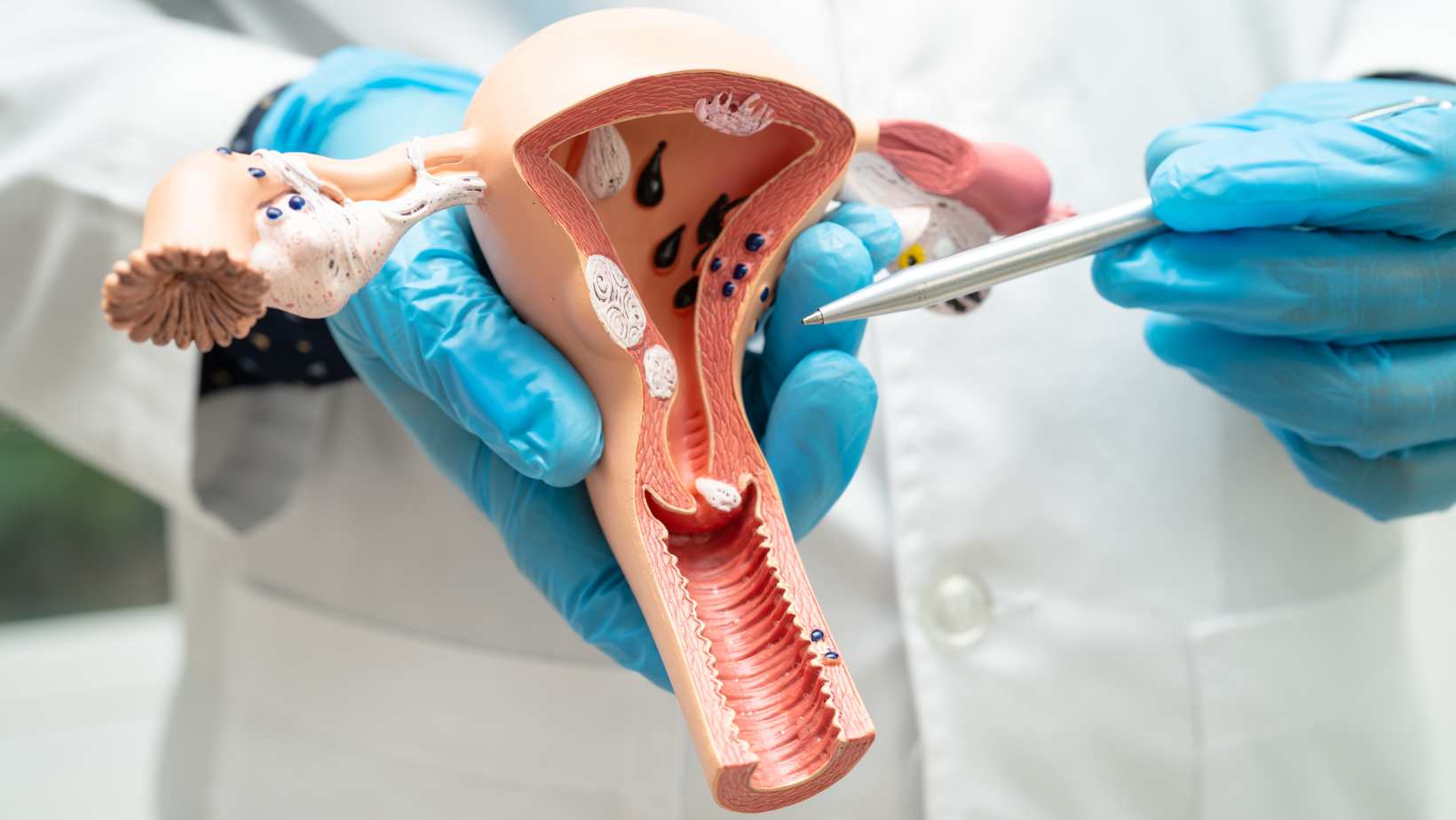
Uterine fibroid embolization (UFE) offers a minimally invasive, effective solution for women suffering from the symptoms of uterine fibroids, such as heavy bleeding and pelvic pain. By blocking the blood supply to the fibroids, UFE helps them shrink, providing long-lasting relief with minimal recovery time. If you’re ready to regain control of your health and improve your quality of life, contact Renew Vein & Vascular today to schedule a consultation and learn more about how UFE can help you. If you’ve been dealing with the discomfort of uterine fibroids, you’re not alone. These non-cancerous growths in the uterus can cause symptoms like heavy menstrual bleeding, pelvic pain, frequent urination, and even impact fertility. The good news is that uterine fibroid embolization (UFE) offers a safe, minimally invasive solution to help you manage and eliminate fibroids without the need for major surgery. We are dedicated to helping you regain your health and quality of life by offering expert care in uterine fibroid treatment. If you’re considering UFE as a treatment option, understanding how the procedure works, what to expect during recovery, and when to see results can help you make an informed decision. Let’s walk you through what you need to know to take the next step toward a more comfortable, symptom-free life. What is Uterine Fibroid Embolization (UFE)? Uterine fibroid embolization is a minimally invasive procedure designed to treat uterine fibroids by blocking the blood flow to the fibroids, causing them to shrink and eventually die. This process helps alleviate symptoms like heavy bleeding, pelvic pain, and pressure. Unlike traditional surgery, UFE does not require a large incision, meaning patients can experience a quicker recovery time with fewer complications. During the procedure, a small catheter is inserted into an artery in the groin or wrist and guided to the blood vessels feeding the fibroids. A contrast dye is used to identify the blood vessels, and then tiny particles are injected into the arteries, blocking the blood flow to the fibroids. Without blood supply, the fibroids shrink over time and symptoms gradually improve. Benefits of Uterine Fibroid Embolization UFE has become a popular choice for women who are looking for a non-surgical way to treat their fibroids. Some of the key benefits include: Minimally Invasive: Unlike traditional surgery, UFE is performed through a small incision, typically no larger than the size of a pencil tip. This means less pain, fewer risks, and faster recovery times. Preservation of the Uterus: UFE is designed to preserve the uterus, making it a great option for women who wish to maintain their fertility or avoid a hysterectomy. Effective Symptom Relief: Many women experience a significant reduction in symptoms such as heavy bleeding, pelvic pressure, and pain within a few months following the procedure. Short Recovery Time: Most patients can return to normal activities within 1-2 weeks, which is much faster compared to the recovery time after surgery. Improved Quality of Life: By reducing or eliminating the symptoms caused by fibroids, UFE can greatly improve your overall quality of life, allowing you to return to activities that you may have been avoiding due to pain or discomfort. The UFE Procedure Overview Uterine fibroid embolization is performed by an interventional radiologist in an outpatient setting. The procedure typically lasts about 1-2 hours and is done under local anesthesia with mild sedation to keep you comfortable. Here’s what you can expect during the procedure: Preparation: You’ll be asked to lie on a table, and the area where the catheter will be inserted (usually the groin or wrist) will be cleaned and numbed with a local anesthetic. Insertion of the Catheter: A small incision is made, and a catheter is inserted into an artery. The catheter is carefully guided to the blood vessels that supply the fibroids. Embolization: A contrast dye is injected through the catheter to help visualize the blood vessels. Once the fibroid-feeding vessels are located, tiny particles are injected to block the blood flow to the fibroids. Post-Procedure: After the embolization, you’ll be monitored for a few hours to ensure there are no complications. Most patients can go home the same day. Immediate Post-Procedure Expectations After the procedure, you may feel some mild discomfort or cramping in your lower abdomen. This is common and usually occurs as the fibroids begin to shrink and the blood flow is restricted. You may also experience mild nausea, fatigue, or a low-grade fever as your body adjusts to the procedure. You will be advised to rest for the remainder of the day and avoid strenuous activity for a few days. You may be given pain medications to manage any discomfort and instructions on how to care for the small incision site. Recovery Time and Aftercare One of the major advantages of UFE is the relatively short recovery time compared to traditional fibroid surgery. While it’s important to follow your doctor’s instructions closely, most women are able to resume normal activities within 1-2 weeks. Here are some tips to help with your recovery: Rest and Relaxation: While you should avoid heavy lifting and vigorous exercise for a few days, light activities such as walking are encouraged to promote healing. Hydration: Drink plenty of water to stay hydrated and help with the healing process. Pain Management: You may experience mild cramping for a few days, but over-the-counter pain medications or prescribed medications will usually help manage discomfort. Follow-Up Care: It’s important to attend any follow-up appointments with your doctor to monitor your progress and ensure that the procedure was successful. When Will I See Results? While some women feel an improvement in symptoms within a few days, it can take several weeks to months for the full benefits of UFE to be realized. As the fibroids shrink and the blood supply is cut off, you may experience a gradual reduction in symptoms such as heavy bleeding, pelvic pressure, and pain. It’s important to remember that the results of UFE may vary depending on the size and number of fibroids. For some

Angioplasty treatment for blocked arteries and improved heart health in Bell Gardens.
Angioplasty, Arteries Health, Health, Vascular, Vein

When and Why Angioplasty Is the Right Solution for Your Health

If you’re struggling with poor circulation due to blocked or narrowed arteries, know that there are effective solutions to help restore your health. Angioplasty is a transformative procedure that can open up blood flow, easing symptoms and significantly lowering the risk of serious cardiovascular events like heart attacks and strokes. At Renew Vein & Vascular, we’re here to guide you through every step of your vascular care with expertise and compassion. Contact us today to schedule a consultation and take an important step toward better heart and vascular health. If you or a loved one are facing circulation issues due to blocked or narrowed arteries, you’re not alone—but there’s hope. Angioplasty is a life-changing procedure that can restore proper blood flow, reducing the risk of serious complications like heart attacks and strokes. At Renew Vein & Vascular, we’re committed to providing advanced, minimally invasive treatments that support your heart and vascular health. Angioplasty has transformed the way arterial blockages are treated, offering a safer alternative to traditional surgery with a faster recovery time. In this post, we’ll walk you through how angioplasty works, when it’s the right choice, and why it can be a crucial step toward protecting your long-term health. Understanding Angioplasty Angioplasty is a procedure in which a balloon is inserted into a narrowed or blocked artery to help restore blood flow. The procedure is often done in the coronary arteries but can be applied to other arteries in the body, such as those in the legs or neck. A small catheter with a balloon on the tip is guided to the site of the blockage, where it is inflated to widen the artery, allowing for improved circulation. In some cases, a stent—a tiny mesh tube—is placed in the artery to keep it open and prevent it from narrowing again. This procedure is commonly used to treat arterial blockages caused by atherosclerosis, where plaque builds up in the arteries over time, restricting blood flow. Angioplasty can relieve symptoms, improve circulation, and reduce the risk of more serious cardiovascular events. When Is Angioplasty the Right Treatment? Angioplasty is recommended when an artery becomes severely narrowed or blocked, causing symptoms like chest pain (angina), shortness of breath, dizziness, or fatigue. It is often considered when lifestyle changes, medications, or other treatments are not enough to manage the condition effectively. Here are some situations when angioplasty might be the right option: Coronary Artery Disease (CAD): When the coronary arteries become blocked or narrowed, reducing blood flow to the heart, angioplasty can help restore circulation, improving heart function and relieving chest pain or discomfort. Peripheral Arterial Disease (PAD): In PAD, blockages in the arteries of the legs can cause pain, cramping, or difficulty walking. Angioplasty can help open up these arteries, improving blood flow to the legs and relieving symptoms. Carotid Artery Disease: Blockages in the carotid arteries, which supply blood to the brain, can increase the risk of strokes. Angioplasty can clear these blockages and help reduce stroke risk. Failed Lifestyle Changes or Medication: If diet, exercise, and medication aren’t enough to manage the symptoms of vascular disease, angioplasty can provide a more immediate solution to restore blood flow. How Angioplasty Works The procedure begins with a small incision, typically in the groin or wrist, where a catheter is inserted into the artery. Guided by imaging techniques such as X-ray, the catheter is carefully moved to the blockage site. Once in position, a balloon is inflated to widen the artery. If necessary, a stent is placed to ensure the artery remains open. The procedure typically takes less than an hour and is done under local anesthesia. Most patients can return home the same day or the following day. Why Angioplasty Is Beneficial Angioplasty offers several benefits over traditional surgery: Minimally Invasive: Unlike open-heart surgery, angioplasty requires only small incisions, leading to less pain, faster recovery times, and a reduced risk of infection. Quick Recovery: Most patients experience a significantly shorter recovery period compared to surgery. Many individuals can resume normal activities within a few days to a week. Improved Blood Flow: The primary goal of angioplasty is to restore blood flow to areas affected by blockages. This improves oxygen supply to vital organs, including the heart and brain, reducing the risk of heart attacks, strokes, and other complications. Better Quality of Life: By relieving symptoms like chest pain, shortness of breath, and leg pain, angioplasty can significantly improve your quality of life, making it easier to engage in daily activities and maintain an active lifestyle. Who Can Benefit from Angioplasty? Angioplasty is an option for individuals suffering from vascular blockages, especially those with cardiovascular conditions such as: Coronary artery disease (CAD) Peripheral artery disease (PAD) Carotid artery disease Chronic chest pain or angina Individuals at high risk of stroke due to blocked carotid arteries If you have been diagnosed with a blockage or narrowing of your arteries and are experiencing symptoms, angioplasty may be the solution to help restore your health and prevent serious complications. The Future of Angioplasty: What’s Next? As medical technology continues to advance, angioplasty is becoming even more precise and effective. Some of the future developments include: Better Imaging Technology: Advances in imaging techniques are allowing doctors to see blockages with greater accuracy, ensuring more precise placement of the balloon and stent during angioplasty. Smarter Stents: Researchers are developing stents that are even more effective at preventing re-narrowing of the arteries and reducing the risk of complications. Non-invasive Alternatives: In the future, we may see more non-invasive options for treating blockages, such as robotic surgery or advanced catheter-based technologies. Aftercare and Prevention Tips After undergoing angioplasty, it’s crucial to follow a proper aftercare plan to ensure the best possible outcomes: Medications: You may be prescribed medications to prevent blood clots and reduce the risk of future blockages. Lifestyle Modifications: A heart-healthy lifestyle, including a balanced diet, regular exercise, and stress management, can help keep your arteries healthy and prevent new blockages. Regular Check-ups: Follow-up appointments with

Compression therapy and its role in promoting healthy circulation in Bell Gardens.
Arteries Health, Health, Vascular, Vein

The Role of Compression Therapy in Supporting Healthy Circulation

If you’re struggling with tired, swollen legs or discomfort from varicose veins, you’re not alone—but you don’t have to live with it. At Renew Vein & Vascular, we’re here to help with compression therapy, a gentle yet effective treatment designed to improve circulation and support your vascular health. By applying controlled pressure to the legs, compression therapy encourages better blood flow, reduces swelling, and helps prevent more serious circulatory issues. Ready to feel the difference? Contact us today to learn more and take the first step toward healthier, happier legs! If you’ve ever experienced tired, heavy legs or swelling that won’t go away, you’re not alone. Poor circulation can be frustrating and uncomfortable, but the good news is that relief is possible. At Renew Vein & Vascular, we’re here to help you take control of your vascular health with compression therapy—a simple yet effective treatment designed to improve circulation and keep your legs feeling their best. Compression therapy gently applies controlled pressure to the legs, encouraging better blood flow, reducing swelling, and even helping to prevent conditions like varicose veins. It’s more than just a treatment—it’s a way to support your overall well-being and long-term vascular health. Curious about how compression therapy works and whether it’s right for you? Keep reading to learn more about its benefits and how it can help you feel lighter, healthier, and more comfortable every day. The Importance of Healthy Circulation Healthy circulation is essential for overall wellness. When blood flows efficiently throughout the body, it ensures that organs and tissues receive the oxygen and nutrients they need. Poor circulation, on the other hand, can lead to a range of health issues, from fatigue and swelling to more serious conditions like deep vein thrombosis (DVT) or varicose veins. Compression therapy plays a vital role in improving blood flow, especially for individuals with chronic conditions or those who experience poor circulation due to age, weight, or lifestyle factors. What Is Compression Therapy? Compression therapy involves wearing specially designed garments, such as stockings, sleeves, or wraps, that apply gentle and consistent pressure to the affected area. The pressure exerted by compression therapy is greatest at the ankle and gradually decreases up the leg, helping blood return to the heart more efficiently. The treatment works by supporting the veins, improving venous blood flow, and reducing the pooling of blood in the legs. For individuals with circulatory issues like varicose veins or swelling, compression therapy provides relief by promoting the movement of blood, reducing fluid buildup, and easing discomfort. Benefits of Compression Therapy Compression therapy offers a wide range of benefits, particularly for those with circulation issues or conditions like varicose veins and chronic venous insufficiency. Here are just a few of the ways compression therapy can improve health and quality of life: Improved Blood Circulation By applying pressure to the legs, compression therapy helps push blood back toward the heart, reducing the strain on veins and promoting overall circulation. This can be especially helpful for people with conditions that affect blood flow, such as varicose veins. Reduced Swelling Compression therapy is an excellent solution for managing swelling in the legs, ankles, and feet. By encouraging fluid movement, it reduces edema (swelling) caused by poor circulation, injuries, or certain medical conditions like lymphedema. Pain and Discomfort Relief Compression garments can help reduce the discomfort associated with poor circulation, including aching, heaviness, or fatigue in the legs. By providing consistent pressure, compression therapy helps soothe these symptoms and promotes comfort throughout the day. Prevention of Varicose Veins and Deep Vein Thrombosis (DVT) Compression therapy can also help prevent the development of varicose veins and deep vein thrombosis (DVT), conditions that occur when blood clots form in the veins due to poor circulation. Compression stockings are often recommended as part of a preventative strategy for individuals at higher risk of developing these conditions. Enhanced Recovery for Athletes For athletes and active individuals, compression therapy supports recovery by improving blood flow to fatigued muscles, reducing inflammation, and alleviating soreness. It is commonly used by athletes to recover after intense workouts or long periods of standing and physical activity. Types of Compression Therapy There are several types of compression therapy available, depending on the severity of the condition and individual needs: Compression Stockings: These are the most common form of compression therapy, offering varying levels of pressure to the legs. They can be knee-high, thigh-high, or full-length, depending on the area of the leg that needs support. Compression Sleeves: These are similar to stockings but are often used for targeted support on the calves or thighs. Compression Bandages: These are used in more severe cases and may be wrapped around the legs or arms to provide adjustable levels of pressure. Pneumatic Compression Devices: These machines use air to provide intermittent pressure to the legs and are often used for individuals with conditions like lymphedema or DVT. Why Compression Therapy Matters Compression therapy is not just a temporary fix; it plays a crucial role in supporting long-term vascular health. By promoting healthy circulation, reducing swelling, and preventing complications associated with poor blood flow, it improves the quality of life for many individuals. For those at risk of circulatory problems, incorporating compression therapy into daily life can be a proactive measure to maintain healthy veins and prevent more serious conditions in the future. Who Can Benefit from Compression Therapy? Compression therapy can benefit a wide range of individuals, including: People with Varicose Veins: Compression therapy helps relieve the symptoms of varicose veins, such as aching, swelling, and heaviness. Those with Chronic Venous Insufficiency (CVI): People suffering from CVI can find relief from swelling, pain, and other symptoms with the use of compression therapy. Pregnant Women: Expectant mothers often experience swollen legs and feet due to hormonal changes and increased blood volume. Compression therapy can help alleviate these symptoms. Athletes: Active individuals benefit from compression therapy to promote recovery and reduce muscle fatigue after intense physical activity. People with Lymphedema or DVT: Compression therapy can

Compression Therapy treatment for improved circulation at Renew Vein & Vascular.
Health, Vascular, Vein

Support Your Circulation: The Benefits of Compression Therapy

Compression Therapy is a powerful yet simple tool for improving circulation, relieving symptoms, and supporting vein health. Whether used as a standalone treatment or alongside other procedures, it offers immense benefits for a variety of patients. At Renew Vein & Vascular, we’re dedicated to helping you achieve better vascular health through tailored solutions that fit your lifestyle. Poor circulation and vein-related discomfort can take a toll on your daily life, but there’s an effective and non-invasive solution to manage these issues. Compression Therapy, offered at Renew Vein & Vascular in Korea Town, Bell Gardens, and Buena Park, CA, has helped countless patients regain comfort and improve their vein health.  By enhancing circulation and preventing complications, this trusted therapy is a cornerstone of vascular care. Discover how Compression Therapy works, its many benefits, and why it’s a valuable tool for maintaining your vascular health.   The Hidden Importance of Circulation Your circulatory system is vital to your overall health, yet its challenges often go unnoticed until symptoms become severe. Veins in your legs work hard to return blood to your heart, fighting gravity in the process. When this system falters—due to conditions like varicose veins, chronic venous insufficiency (CVI), or deep vein thrombosis (DVT)—blood can pool in the legs, leading to swelling, pain, and other complications. Compression Therapy is a time-tested solution that uses controlled pressure to support vein function, reduce symptoms, and prevent further issues. It’s a simple, accessible, and effective treatment that can make a world of difference for those suffering from poor circulation. At Renew Vein & Vascular, we’ve seen firsthand how Compression Therapy improves lives by alleviating discomfort, supporting recovery after vein treatments, and enhancing daily function. What Is Compression Therapy? Compression Therapy involves wearing specially designed garments, such as socks, stockings, or wraps, that apply graduated pressure to your legs. These garments are snug around the ankle and gradually loosen as they move up the leg. This gradient pressure encourages blood to flow upward toward the heart, countering the effects of gravity. There are varying levels of compression available, measured in millimeters of mercury (mmHg), with options ranging from light support for mild symptoms to medical-grade compression for more severe conditions. Compression garments can be custom-fitted or off-the-shelf, depending on your needs. How It Works: Compression Therapy is based on simple principles of physics and physiology. By compressing the veins, it reduces their diameter, which increases blood flow velocity and prevents blood from pooling. Improved circulation minimizes swelling, alleviates discomfort, and lowers the risk of clots. Compression Therapy can be used as a standalone treatment or in combination with other vein procedures, such as sclerotherapy or phlebectomy, to enhance results and promote faster recovery.   The Many Benefits of Compression Therapy Compression Therapy offers far-reaching benefits, not just for those with chronic vein conditions but for anyone looking to support their vascular health. Let’s take a closer look at what makes this therapy so effective: Improved Circulation: Graduated compression helps veins work more efficiently by preventing blood from pooling in the legs. For individuals with conditions like CVI or varicose veins, this translates into less swelling and more comfort. Symptom Relief: Compression Therapy reduces pain, heaviness, and fatigue in the legs. Patients often describe a feeling of lightness and energy after wearing their garments for just a few hours. Reduced Risk of Complications: By improving blood flow, Compression Therapy lowers the risk of dangerous conditions like DVT and venous ulcers, which can develop from poor circulation. Enhanced Recovery: After vein treatments, such as sclerotherapy or thermal ablation, compression garments help reduce bruising, minimize swelling, and promote faster healing. Support During Pregnancy: Pregnancy can strain veins due to hormonal changes and increased blood volume. Compression stockings can prevent or manage varicose veins and swelling during this time. Prevention of Travel-Related Issues: Long flights or car rides can increase the risk of blood clots. Compression socks are a must-have for frequent travelers to maintain healthy circulation. Non-Invasive and Affordable: Compared to surgical options, Compression Therapy is a simple, cost-effective solution that fits seamlessly into your daily routine.   Who Should Consider Compression Therapy? Compression Therapy is incredibly versatile and beneficial for a wide range of individuals, including: Patients with Varicose Veins or CVI: Those experiencing visible veins, swelling, or heaviness in the legs. Post-Treatment Patients: Individuals recovering from vein procedures to optimize results and promote healing. People at Risk for DVT: Those with a history of blood clots, prolonged immobility, or a sedentary lifestyle. Pregnant Women: Expectant mothers dealing with leg swelling or increased varicose vein risk. Frequent Travelers: Anyone who spends long hours sitting during flights or road trips. At Renew Vein & Vascular, we assess each patient’s unique needs to ensure they receive the right compression garments and guidance for optimal results.   A Patient Success Story Consider Sarah, a 45-year-old teacher from Bell Gardens who struggled with leg pain and fatigue due to varicose veins. Daily activities became challenging, and she was hesitant about undergoing invasive procedures. After being fitted for medical-grade compression stockings at Renew Vein & Vascular, Sarah noticed a dramatic improvement. Her swelling decreased, her pain subsided, and she felt more energized throughout the day. Today, Sarah incorporates Compression Therapy into her routine and enjoys a higher quality of life.   Aftercare Tips and How to Maximize Results To get the most out of Compression Therapy, follow these tips: Wear Consistently: Compression garments are most effective when worn daily, especially during activities that involve prolonged sitting or standing. Proper Fit is Key: Ill-fitting garments can cause discomfort or be ineffective. Ensure your garments are measured and fitted by a professional. Maintain Your Garments: Wash your compression stockings regularly to preserve their elasticity and effectiveness. Combine with Activity: Pair Compression Therapy with light exercises, such as walking or leg stretches, to further enhance circulation. Elevate Your Legs: Whenever possible, elevate your legs above heart level to reduce swelling.   Supporting Your Circulation at Renew Vein & Vascular Compression Therapy is a cornerstone

different stages of varicose veins
Health, Vein

Understanding the Different Stages of Varicose Veins

Varicose veins are a common condition characterized by enlarged, twisted veins that can cause discomfort and affect your appearance. Understanding the stages of varicose vein development is crucial for early detection and effective vein treatment. Don’t let varicose veins impact your quality of life. Schedule a consultation with Renew Vein & Vascular to explore your treatment options and regain the health and vitality of your legs.   California, a state renowned for its sunny disposition, outdoor adventures, and active lifestyle, often sees residents spending countless hours on their feet. While this active lifestyle is undoubtedly beneficial, it can also contribute to the development of varicose veins.    These unsightly and often painful veins can disrupt your daily routine and significantly impact your quality of life. Characterized by enlarged, twisted veins that become visible on the legs, varicose veins occur when the valves within your veins weaken, allowing blood to pool and build up.   Varicose veins, although primarily a cosmetic issue for many, can progress into a more serious condition if left untreated. Understanding the different stages of varicose vein development is essential for early detection and effective management.    What Can Cause Varicose Veins?   Several factors can contribute to the development of varicose veins. Understanding these causes can help you identify potential risk factors and take steps to prevent or manage the condition. Some risk factors to keep in mind are: Age: The risk of developing varicose veins increases with age as the valves in your veins naturally weaken over time. Family history: A family history of varicose veins can increase your susceptibility to the condition. Pregnancy: The hormonal changes and increased pressure on the veins during pregnancy can contribute to varicose vein development. Obesity: Excess weight puts added pressure on your veins, increasing the likelihood of developing varicose veins. Prolonged standing or sitting: Occupations that require prolonged standing or sitting can contribute to poor circulation and vein problems. Hormonal factors: Hormonal fluctuations, such as those associated with menopause or birth control use, can affect vein health. Blood clots: Deep vein thrombosis (DVT), a blood clot in a deep vein, can damage valves and lead to varicose veins. Weak vein walls: Congenital vein abnormalities or weak vein walls can increase the risk of varicose vein formation.   The Stages of Varicose Veins   Varicose veins develop over time as the valves within your veins weaken. These valves typically prevent blood from flowing backward, but when they become damaged, blood pools in the veins, causing them to swell and become visible.    The progression of varicose veins is generally divided into four stages:   Spider Veins and Reticular Veins: This initial stage is characterized by the appearance of small, red or blue, spider-like veins (spider veins) or larger, blue or purple, branching veins (reticular veins). While primarily a cosmetic concern, they can be an early indication of underlying vein issues. Enlarged Varicose Veins: As the condition progresses, veins become more prominent, twisted, and enlarged. They often appear as bulging, cord-like structures under the skin. Symptoms at this stage may include heaviness, fatigue, aching, and throbbing in the legs, particularly after prolonged standing or sitting. Skin Changes and Swelling: In the third stage, varicose veins begin to affect the surrounding skin. Swelling (edema) becomes more noticeable, causing the legs to appear puffy. Skin discoloration, such as brown patches, may develop as blood leaks out of the damaged veins. Additionally, thickened, hardened skin (lipodermatosclerosis) can occur. Ulceration: This is the most severe stage of varicose veins. Open sores or ulcers develop on the skin, typically near the ankle. These ulcers can be painful, slow to heal, and prone to infection. They represent a significant health risk and require specialized treatment.   Benefits of Early Treatment   Early detection and prompt treatment of varicose veins are crucial for preventing complications and improving overall leg health. Addressing this condition offers a range of advantages that extend beyond simply cosmetic concerns. Some of the benefits of seeking treatment early are:   Prevention of complications: By addressing the issue in the early stages, you can reduce the risk of developing more serious complications such as blood clots, skin ulcers, and bleeding. Improved quality of life: Varicose veins can cause discomfort, pain, and fatigue. Early treatment can alleviate these symptoms and enhance your overall well-being. Enhanced appearance: Varicose veins can be unsightly and affect your self-confidence. Effective treatment can improve the appearance of your legs. Reduced risk of progression: Addressing the underlying vein issues can help prevent the condition from worsening and progressing to more advanced stages.   Treatment Options for Varicose Veins   Sclerotherapy Sclerotherapy involves injecting a special solution directly into the affected veins. The solution causes the veins to collapse and stick together. Over time, the treated veins are absorbed by the body and fade from view.   No surgery or general anesthesia required. Improves the appearance of veins and alleviates symptoms. Most patients can return to normal activities shortly after treatment.   Laser Ablation Laser ablation uses targeted laser energy to treat varicose veins. A laser fiber is inserted into the vein through a small catheter. The laser energy heats and closes the vein, which is then absorbed by the body over time.   Directly targets problematic veins with minimal impact on surrounding tissues. Most patients experience only mild discomfort during the procedure. Many patients resume normal activities the next day.   Endovenous Laser Therapy (EVLT) EVLT is a minimally invasive procedure that uses laser energy to treat varicose veins from within. A thin laser fiber is inserted into the vein through a small incision. The laser energy heats the vein, causing it to shrink and seal shut. The vein is eventually absorbed by the body.   Provides long-term relief by closing off problematic veins. Uses small incisions, resulting in less visible scarring. Typically completed in under an hour, with a rapid recovery period.   Frequently Asked Questions (FAQ)   How do I know if I need treatment for varicose veins?

Scroll to Top