Renew Vein & Vascular

Uterine

Woman experiencing bloating and pelvic pressure linked to fibroids, explained by Renew Vein & Vascular in Bell Gardens.
Uterine

Bloating, Pressure, Fatigue – Could Fibroids Be the Cause?

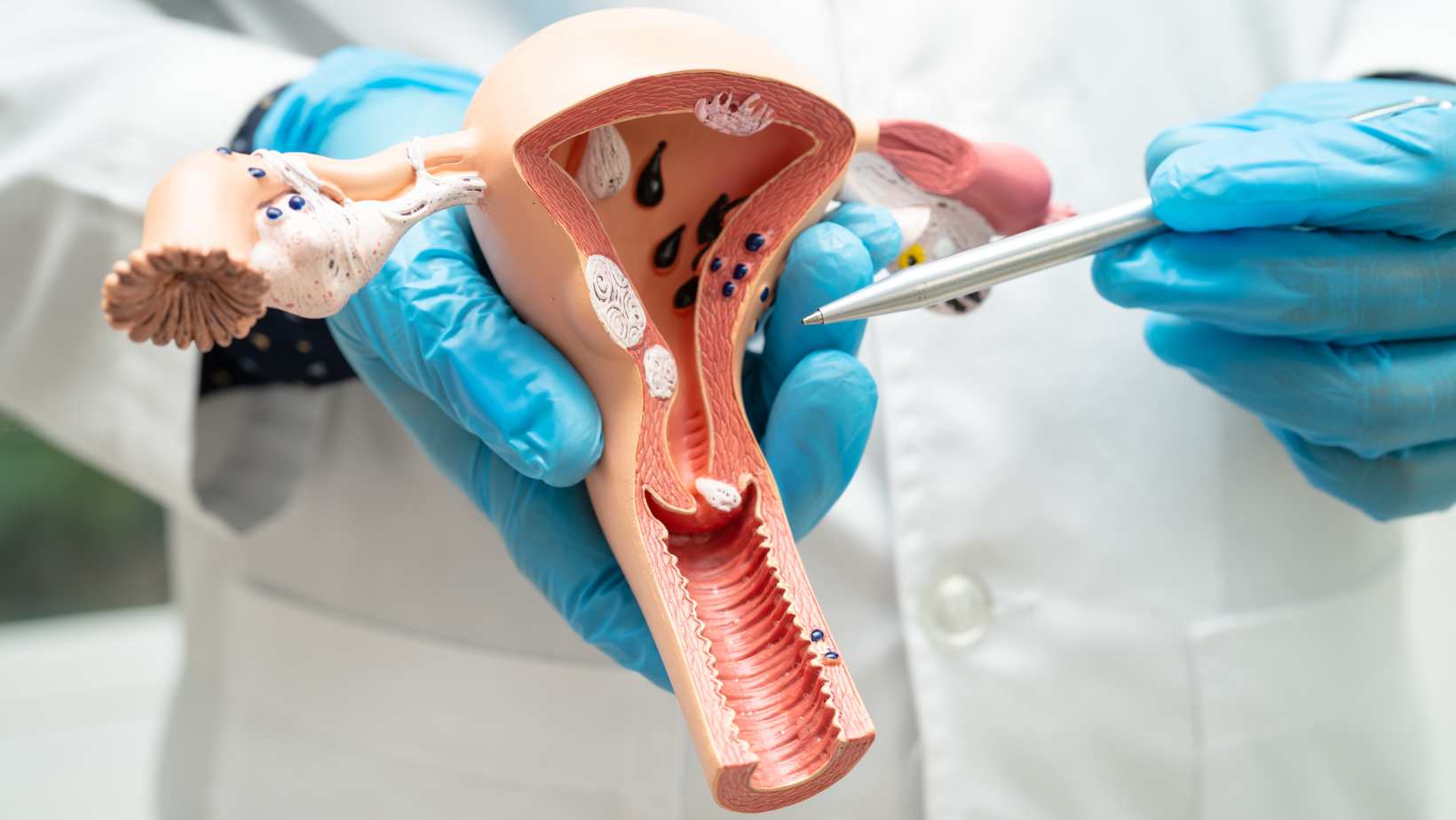
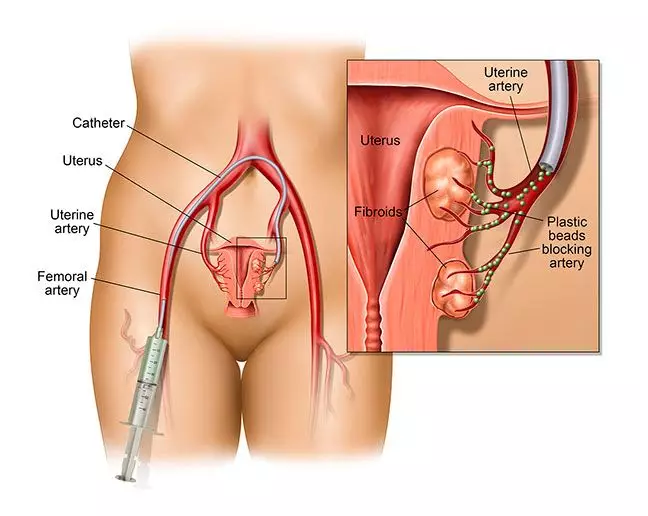
Bloating, pressure, and fatigue are often brushed off as everyday discomforts, but they may point to something more — uterine fibroids. Understanding fibroid symptoms and UFE can help you connect the dots between what you’re feeling and what your body is trying to tell you. At Renew Vein & Vascular, patients receive expert evaluation and minimally invasive solutions like uterine fibroid embolization (UFE) to relieve symptoms and restore quality of life. If you’ve been living with unexplained discomfort, it may be time to explore whether fibroids are the cause — and what you can do about it. If you’ve been dealing with persistent bloating, pelvic pressure, or ongoing fatigue, it’s easy to assume stress, hormones, or diet are to blame. But for many women, these symptoms are linked to uterine fibroids — a common condition that often goes undiagnosed for years. Recognizing fibroid symptoms and UFE treatment options can be the turning point in finally finding relief and feeling like yourself again.   What Are Uterine Fibroids? Uterine fibroids are noncancerous growths that develop in or around the uterus. They can range in size from tiny, undetectable nodules to large masses that expand the uterus and put pressure on surrounding organs. While fibroids are incredibly common, not everyone experiences symptoms — which is why they can go unnoticed until they begin interfering with daily life. Fibroids are influenced by hormones, particularly estrogen, and often develop during reproductive years. Depending on their size and location, they may cause a range of symptoms that extend beyond what many people expect.   Common Fibroid Symptoms You Shouldn’t Ignore Fibroid symptoms can vary widely, but certain patterns tend to show up consistently — especially when fibroids begin to grow or multiply. Bloating and abdominal fullness: Many patients describe looking or feeling “pregnant” due to uterine enlargement. Pelvic pressure or heaviness: Fibroids can press on nearby organs, creating a constant sensation of pressure. Fatigue: Often linked to heavy menstrual bleeding caused by fibroids, leading to low iron levels. Frequent urination: Pressure on the bladder can increase urgency and frequency. Lower back or pelvic pain: Larger fibroids may cause discomfort that radiates into the back or legs. Because these symptoms overlap with other conditions, they’re frequently misattributed — delaying proper diagnosis and treatment.   Why Fibroids Cause Bloating, Pressure, and Fatigue Understanding how fibroids affect your body helps explain why symptoms can feel so disruptive. Bloating and Abdominal Changes As fibroids grow, they expand the uterus, which can push against the abdominal wall and create visible distention. This isn’t typical digestive bloating — it’s structural, meaning it won’t go away with diet changes alone. Pelvic Pressure and Organ Compression Fibroids can press against the bladder, bowel, and surrounding tissues. This pressure leads to that constant “heavy” feeling, along with symptoms like constipation or urinary urgency. Fatigue from Blood Loss Heavy or prolonged menstrual cycles are one of the most common fibroid symptoms. Over time, this can lead to iron deficiency and fatigue, leaving you feeling drained even after rest. Understanding the root cause of these symptoms is our first step toward meaningful, lasting relief.   What Is UFE (Uterine Fibroid Embolization)? Uterine fibroid embolization (UFE) is a minimally invasive, image-guided procedure that treats fibroids by cutting off their blood supply. Without nutrients and oxygen, fibroids shrink over time, leading to significant symptom improvement. Unlike traditional surgery, UFE does not require large incisions or removal of the uterus. Instead, a specialist inserts a small catheter through the wrist or groin and delivers tiny particles into the arteries feeding the fibroids. This blocks blood flow specifically to the fibroids while preserving healthy uterine tissue. UFE has become an increasingly popular option for women seeking effective relief without major surgery or long recovery times.   Benefits of UFE for Fibroid Symptoms For many patients, UFE offers a powerful combination of effectiveness and convenience. Minimally invasive: No large incisions or stitches required Short recovery time: Most patients return to normal activities much faster than with surgery Symptom relief: Reduces bloating, pressure, heavy bleeding, and fatigue Uterus preservation: Maintains the structure of the uterus Long-lasting results: Fibroids shrink significantly, improving quality of life At Renew Vein & Vascular, UFE is performed with precision and care, helping patients feel confident in their treatment journey.   What to Expect Before, During, and After UFE Understanding the process can ease anxiety and help you feel prepared for treatment. Before the Procedure You’ll undergo imaging — typically ultrasound or MRI — to confirm fibroids and map their location. Your provider will review your symptoms, medical history, and treatment goals. During the Procedure UFE is performed using local anesthesia and light sedation. A small catheter is guided into the uterine arteries, and embolic particles are delivered to block blood flow to fibroids. After the Procedure You may experience mild cramping or discomfort for a few days as fibroids begin to shrink. Most patients return to normal routines within one to two weeks, with symptom improvement developing gradually over the following months.   When to Consider Treatment Not all fibroids require treatment, but certain signs suggest it’s time to explore your options: Symptoms are interfering with daily life Bloating or pressure continues to worsen Fatigue affects your energy levels and productivity Heavy bleeding disrupts your routine or leads to anemia If these sound familiar, a consultation can help determine whether fibroids are the underlying cause and if UFE is the right solution.   Supporting Your Body Beyond Treatment While UFE addresses the root cause of fibroid symptoms, ongoing wellness habits can support your overall health: Maintain a balanced diet rich in iron and nutrients Stay active to support circulation and hormone balance Manage stress, which can influence hormonal fluctuations Keep up with regular check-ups to monitor reproductive health These steps help you feel your best while supporting long-term outcomes after treatment.   Renew Vein & Vascular: A Smarter Approach to Fibroid Relief Living with bloating, pressure, and fatigue doesn’t have to be your norm. At Renew
Health, Uterine

How Uterine Fibroid Embolization Helps Restore Quality of Life

Uterine fibroid embolization (UFE) offers a minimally invasive, effective solution for women suffering from the symptoms of uterine fibroids, such as heavy bleeding and pelvic pain. By blocking the blood supply to the fibroids, UFE helps them shrink, providing long-lasting relief with minimal recovery time. If you’re ready to regain control of your health and improve your quality of life, contact Renew Vein & Vascular today to schedule a consultation and learn more about how UFE can help you. If you’ve been dealing with the discomfort of uterine fibroids, you’re not alone. These non-cancerous growths in the uterus can cause symptoms like heavy menstrual bleeding, pelvic pain, frequent urination, and even impact fertility. The good news is that uterine fibroid embolization (UFE) offers a safe, minimally invasive solution to help you manage and eliminate fibroids without the need for major surgery. We are dedicated to helping you regain your health and quality of life by offering expert care in uterine fibroid treatment. If you’re considering UFE as a treatment option, understanding how the procedure works, what to expect during recovery, and when to see results can help you make an informed decision. Let’s walk you through what you need to know to take the next step toward a more comfortable, symptom-free life. What is Uterine Fibroid Embolization (UFE)? Uterine fibroid embolization is a minimally invasive procedure designed to treat uterine fibroids by blocking the blood flow to the fibroids, causing them to shrink and eventually die. This process helps alleviate symptoms like heavy bleeding, pelvic pain, and pressure. Unlike traditional surgery, UFE does not require a large incision, meaning patients can experience a quicker recovery time with fewer complications. During the procedure, a small catheter is inserted into an artery in the groin or wrist and guided to the blood vessels feeding the fibroids. A contrast dye is used to identify the blood vessels, and then tiny particles are injected into the arteries, blocking the blood flow to the fibroids. Without blood supply, the fibroids shrink over time and symptoms gradually improve. Benefits of Uterine Fibroid Embolization UFE has become a popular choice for women who are looking for a non-surgical way to treat their fibroids. Some of the key benefits include: Minimally Invasive: Unlike traditional surgery, UFE is performed through a small incision, typically no larger than the size of a pencil tip. This means less pain, fewer risks, and faster recovery times. Preservation of the Uterus: UFE is designed to preserve the uterus, making it a great option for women who wish to maintain their fertility or avoid a hysterectomy. Effective Symptom Relief: Many women experience a significant reduction in symptoms such as heavy bleeding, pelvic pressure, and pain within a few months following the procedure. Short Recovery Time: Most patients can return to normal activities within 1-2 weeks, which is much faster compared to the recovery time after surgery. Improved Quality of Life: By reducing or eliminating the symptoms caused by fibroids, UFE can greatly improve your overall quality of life, allowing you to return to activities that you may have been avoiding due to pain or discomfort. The UFE Procedure Overview Uterine fibroid embolization is performed by an interventional radiologist in an outpatient setting. The procedure typically lasts about 1-2 hours and is done under local anesthesia with mild sedation to keep you comfortable. Here’s what you can expect during the procedure: Preparation: You’ll be asked to lie on a table, and the area where the catheter will be inserted (usually the groin or wrist) will be cleaned and numbed with a local anesthetic. Insertion of the Catheter: A small incision is made, and a catheter is inserted into an artery. The catheter is carefully guided to the blood vessels that supply the fibroids. Embolization: A contrast dye is injected through the catheter to help visualize the blood vessels. Once the fibroid-feeding vessels are located, tiny particles are injected to block the blood flow to the fibroids. Post-Procedure: After the embolization, you’ll be monitored for a few hours to ensure there are no complications. Most patients can go home the same day. Immediate Post-Procedure Expectations After the procedure, you may feel some mild discomfort or cramping in your lower abdomen. This is common and usually occurs as the fibroids begin to shrink and the blood flow is restricted. You may also experience mild nausea, fatigue, or a low-grade fever as your body adjusts to the procedure. You will be advised to rest for the remainder of the day and avoid strenuous activity for a few days. You may be given pain medications to manage any discomfort and instructions on how to care for the small incision site. Recovery Time and Aftercare One of the major advantages of UFE is the relatively short recovery time compared to traditional fibroid surgery. While it’s important to follow your doctor’s instructions closely, most women are able to resume normal activities within 1-2 weeks. Here are some tips to help with your recovery: Rest and Relaxation: While you should avoid heavy lifting and vigorous exercise for a few days, light activities such as walking are encouraged to promote healing. Hydration: Drink plenty of water to stay hydrated and help with the healing process. Pain Management: You may experience mild cramping for a few days, but over-the-counter pain medications or prescribed medications will usually help manage discomfort. Follow-Up Care: It’s important to attend any follow-up appointments with your doctor to monitor your progress and ensure that the procedure was successful. When Will I See Results? While some women feel an improvement in symptoms within a few days, it can take several weeks to months for the full benefits of UFE to be realized. As the fibroids shrink and the blood supply is cut off, you may experience a gradual reduction in symptoms such as heavy bleeding, pelvic pressure, and pain. It’s important to remember that the results of UFE may vary depending on the size and number of fibroids. For some

Uterine Fibroid Embolization in Korea Town, Bell Gardens and Buena Park, CA
Uterine

Why Uterine Fibroid Embolization Could Be the Right Choice for You

Living with uterine fibroids can be challenging, but Uterine Fibroid Embolization offers a minimally invasive, highly effective solution. With a quick recovery and long-lasting results, UFE allows women to reclaim their health and well-being. At Renew Vein & Vascular, we’re here to guide you through every step of your treatment journey. Living with uterine fibroids can mean enduring heavy bleeding, pelvic pain, and discomfort, but there’s a solution that doesn’t require surgery. Uterine Fibroid Embolization (UFE), offered at Renew Vein & Vascular in Korea Town, Bell Gardens, and Buena Park, CA, is a minimally invasive procedure designed to treat fibroids effectively while preserving the uterus. This innovative treatment offers relief and helps women regain control of their health. Read on to learn how UFE works, its benefits, and who can benefit most.   A New Era in Fibroid Management Uterine fibroids are non-cancerous growths that develop in or on the uterus and affect millions of women. While not all fibroids cause symptoms, those that do can lead to heavy menstrual bleeding, pelvic pain, and pressure on surrounding organs. These symptoms often disrupt daily life and can impact physical and emotional well-being. For years, surgical options like hysterectomy were the standard treatments for fibroids, but many women prefer less invasive approaches that preserve their uterus. Uterine Fibroid Embolization (UFE) is a game-changing procedure that targets fibroids without the need for major surgery. At Renew Vein & Vascular, we’re proud to offer this advanced treatment to help women find relief and improved quality of life. What Is Uterine Fibroid Embolization? UFE is a minimally invasive procedure that blocks the blood flow to fibroids, causing them to shrink and alleviating associated symptoms. Using advanced imaging, a small catheter is inserted into an artery in the groin or wrist and guided to the uterine arteries. Tiny particles are injected to block the blood vessels feeding the fibroids, effectively cutting off their nutrient supply. As a result, the fibroids shrink over time, and symptoms such as heavy bleeding, pelvic pain, and pressure are significantly reduced. Most patients can return to normal activities within a week, making UFE a convenient and effective alternative to surgery. Benefits of Uterine Fibroid Embolization UFE offers numerous advantages for women dealing with fibroids: Minimally Invasive: With no major incisions required, UFE has a lower risk of complications and a shorter recovery time compared to traditional surgery. Preserves the Uterus: Unlike a hysterectomy, UFE leaves the uterus intact, making it an ideal option for women who wish to avoid its removal. Effective Symptom Relief: UFE is highly effective at reducing symptoms like heavy bleeding, pelvic pain, and pressure, often within weeks. Quick Recovery: Most women return to work and daily activities within a week, with minimal disruption to their routines. Avoids General Anesthesia: UFE is typically performed using local anesthesia and conscious sedation, reducing the risks associated with general anesthesia. Highly Successful: Studies show that over 85% of women experience significant relief from fibroid symptoms after UFE. Who Is an Ideal Candidate for UFE? UFE is an excellent option for women who: Are experiencing significant fibroid-related symptoms, such as heavy bleeding, pelvic pain, or pressure. Wish to preserve their uterus and avoid major surgery. Are not planning future pregnancies, as UFE may affect fertility in some cases. Want a minimally invasive procedure with a short recovery time. At Renew Vein & Vascular, our team conducts thorough evaluations to determine whether UFE is the best fit for your needs and goals. A Patient Success Story Meet Elena, a 42-year-old executive from Bell Gardens who had been living with severe symptoms from uterine fibroids. She endured heavy bleeding, persistent pelvic pain, and fatigue that affected her performance at work and her personal life. Surgery seemed daunting, and she wanted to explore alternatives that didn’t require a hysterectomy. After consulting with the experts at Renew Vein & Vascular, Elena chose UFE. The procedure was straightforward, and within weeks, she noticed significant improvements. Her periods became lighter, the pain subsided, and she regained her energy. Elena is now thriving at work and enjoying her life again, crediting UFE for giving her a fresh start. Aftercare and Recovery Tips UFE offers a smooth recovery process, but following proper aftercare ensures the best results. Here’s what patients can expect: Manage Pain and Discomfort: Mild cramping or pelvic pain is common in the first few days and can be managed with prescribed or over-the-counter medications. Stay Hydrated and Rest: Drinking plenty of water and getting adequate rest will help your body recover faster. Gradual Return to Activities: Most patients resume light activities within a few days but should avoid strenuous exercise for at least a week. Monitor Your Symptoms: Any unusual symptoms, such as excessive pain, fever, or unusual discharge, should be reported to your doctor immediately. Attend Follow-Up Appointments: These visits are important to monitor your progress and ensure the fibroids are shrinking as expected. Reclaim Your Health with Renew Vein & Vascular Uterine Fibroid Embolization provides a powerful, minimally invasive alternative for women seeking relief from fibroid symptoms. At Renew Vein & Vascular, with locations in Korea Town, Bell Gardens, and Buena Park, CA, we’re dedicated to helping patients regain their comfort and confidence through advanced care tailored to their needs. If you’re struggling with fibroids, don’t wait to take control of your health. Schedule a consultation with Renew Vein & Vascular today and discover how UFE can transform your quality of life. FAQ How long does it take for fibroids to shrink after UFE? Fibroids begin to shrink immediately after the procedure, with noticeable symptom relief typically occurring within weeks. Full shrinkage may take several months. Is UFE painful? Most patients experience mild cramping after the procedure, similar to menstrual cramps. Pain management options are provided to ensure comfort. Will UFE affect my fertility? While UFE preserves the uterus, its impact on fertility varies. Women planning future pregnancies should discuss options with their doctor. What are the risks of UFE? UFE is generally safe,

fibroids treatment by leading vascular surgeon in bell gardens, buena park & korea town
Health, Treatments, Uterine

Your Guide to Uterine Fibroid Diagnosis and Treatment

If you suspect you have fibroids or are experiencing symptoms, it is essential to consult with an experienced vein specialist for a thorough evaluation and personalized treatment recommendations. Your healthcare provider can help you make informed decisions regarding the management of fibroids based on your individual health and reproductive goals.  Uterine fibroids, also known as leiomyomas or myomas, are noncancerous growths that develop in the uterus. These growths can vary in size, number, and location within the uterine wall. For many women, fibroids remain asymptomatic and go undetected.  However, for others, fibroids can lead to a range of symptoms and health concerns. In this comprehensive guide, we’ll explore the diagnosis and treatment of uterine fibroids, answering key questions to help you better understand this common gynecological issue.   What Are Fibroids? Fibroids are benign tumors that develop in the muscular wall of the uterus. They consist of smooth muscle cells and connective tissue and can vary in size, ranging from small, seed-like growths to large masses.  The exact cause of fibroids is not fully understood, but several factors, including genetics and hormonal influences, may contribute to their development.   What Is the Main Cause of Fibroids? The exact cause of fibroids is not definitively known, but several factors may contribute to their development, including genetics, hormonal imbalances (particularly estrogen and progesterone), and other growth factors.   What Are the Signs of Fibroids in a Woman? Fibroids can develop at any age during a woman’s reproductive years, most commonly diagnosed in women in their 30s and 40s. Common signs and symptoms of fibroids in women include: Heavy menstrual bleeding: Menstrual periods that are significantly heavier and longer than usual. Pelvic pain and pressure: Discomfort or pain in the lower abdomen or pelvis. Frequent urination: The presence of fibroids near the bladder may lead to increased urinary frequency. Constipation: Fibroids pressing on the rectum can cause constipation. Backache or leg pains: Larger fibroids may exert pressure on nerves, leading to back and leg pain. Infertility or recurrent miscarriages: In some cases, fibroids can interfere with fertility and cause miscarriages.   Are Fibroids a Serious Problem? While fibroids are typically non-cancerous, they can lead to a range of health issues, including severe pain, heavy bleeding, abdominal swelling, and reproductive problems. In some cases, the severity of fibroid symptoms can significantly impact a woman’s quality of life. Thus, addressing fibroids is important for many women.   Do Fibroids Need to Be Removed? The decision to remove fibroids depends on their size, location, and the severity of symptoms. Small, asymptomatic fibroids often do not require treatment. However, if fibroids cause substantial discomfort or impact a woman’s reproductive plans, treatment or removal may be recommended.   What Are The Fibroid Treatment Options? The treatment of uterine fibroids depends on various factors, including the severity of symptoms, the size and location of the fibroids, and a woman’s reproductive plans. Treatment options can be categorized as follows: Watchful Waiting: In cases where fibroids are small and asymptomatic, a “wait and see” approach may be recommended, with regular monitoring to track any changes in size or symptoms. Medication: Medical therapy can help manage fibroid-related symptoms. Options include hormonal birth control, nonsteroidal anti-inflammatory drugs (NSAIDs), and gonadotropin-releasing hormone (GnRH) agonists. Minimally Invasive Procedures: These procedures aim to shrink or remove fibroids while preserving the uterus. They include uterine fibroid embolization, myomectomy, and radiofrequency ablation. Surgical Interventions: In cases of severe symptoms or large fibroids, surgical removal of the fibroids (myomectomy) or the entire uterus (hysterectomy) may be necessary. Focused Ultrasound Surgery (FUS): FUS is a noninvasive procedure that uses high-intensity ultrasound waves to target and shrink fibroids.   What Is Uterine Fibroid Embolization? Uterine Fibroid Embolization (UFE), also known as uterine artery embolization, is a minimally invasive, non-surgical procedure for uterine fibroids that has emerged as one of the best treatment options for uterine fibroids in many cases. UFE offers several advantages for women seeking relief from fibroid symptoms: Non-Surgical: UFE is a non-surgical procedure, which means there are no incisions, scars, or lengthy recovery times associated with traditional surgery. Preservation of Uterus: Unlike hysterectomy, which involves the removal of the entire uterus, UFE preserves the uterus. This is particularly important for women who wish to maintain their fertility or do not want to undergo a hysterectomy. Effective Symptom Relief: UFE is highly effective in relieving common fibroid symptoms, such as heavy menstrual bleeding, pelvic pain, and pressure. Many women experience significant improvement in their quality of life after the procedure. Minimally Invasive: During UFE, a radiologist makes a small incision in the groin area and threads a catheter through the blood vessels to the arteries that supply the fibroids. Small particles are then injected into these arteries to block blood flow to the fibroids, causing them to shrink. Short Recovery Time: Recovery after UFE is typically shorter than that of traditional surgery. Most women can return to their regular activities within one to two weeks. Low Complication Rate: UFE has a relatively low risk of complications, and serious complications are rare. It is considered a safe and well-tolerated procedure. Outpatient Procedure: In most cases, UFE is performed on an outpatient basis, allowing patients to return home the same day.   While UFE is a highly effective treatment option for many women with fibroids, it may not be suitable for everyone. The decision to pursue UFE should be made in consultation with a healthcare provider who can evaluate individual circumstances and provide personalized recommendations. You can read more about the recovery process after UFE.   Can Women Get Pregnant with Fibroids? In many cases, women with fibroids can still conceive and carry a pregnancy to term. However, the impact of fibroids on fertility varies. The location of the fibroids, their size, and the extent of symptoms all play a role in determining their effect on fertility. If fertility issues arise due to fibroids, medical interventions may be considered.   How Can I Get Rid of Fibroids Without Surgery? Some

Fibroid Treatment Bell Gardens, Korea Town & Buena Park
Treatments, Uterine, Vascular

Minimally Invasive Fibroid Treatment: What You Need to Know

Fibroids can present significant challenges in a woman’s life, affecting her physical comfort, emotional well-being, and reproductive health. However, with advancements in medical technology and the availability of minimally invasive treatments like Uterine Fibroid Embolization (UFE), women have effective options for managing and treating fibroids. Contact Renew Vein & Vascular for uterine fibroids treatment options.    Dealing with fibroids can be an overwhelming experience for many women. These non-cancerous growths in the uterus can cause a range of symptoms that disrupt daily life and impact overall well-being. If you are facing the challenges of fibroids, know that there are advanced, minimally invasive uterine fibroid treatment options available to bring you relief and restore your quality of life.  In this blog post, we will explore what fibroids are, their causes, common symptoms, and the effectiveness of minimally invasive procedures like Uterine Fibroid Embolization (UFE). With the right information and guidance, you can make empowered decisions about your health and find the best path forward.   What are Fibroids? Fibroids, also known as uterine leiomyomas, are non-cancerous growths that develop in the uterus. They are composed of muscle tissue and can vary in size, ranging from small, undetectable nodules to large masses that distort the shape of the uterus.  Fibroids can occur in different locations within the uterus and may appear as a single growth or multiple growths.   What Causes Fibroids? The exact cause of fibroids is still not fully understood, but several factors are believed to contribute to their development. Here are some factors that may play a role in the formation of fibroids: 1. Hormonal imbalances: Estrogen and progesterone, two hormones involved in the menstrual cycle, are thought to promote the growth of fibroids. Fibroids tend to grow during reproductive years when hormone levels are higher and often shrink after menopause when hormone levels decrease. 2. Genetic predisposition: There appears to be a genetic component to fibroids, as they tend to run in families. If a close female relative, such as a mother or sister, has had fibroids, you may have an increased risk of developing them as well. 3. Growth factors: Certain growth factors, such as insulin-like growth factor (IGF), may play a role in the growth and development of fibroids. 4. Other factors: Obesity, a sedentary lifestyle, and a diet high in red meat and low in fruits and vegetables have been associated with an increased risk of fibroids.  It’s important to note that while these factors may contribute to the development of fibroids, the exact interplay between them and the underlying mechanisms is not fully understood. Each woman’s experience with fibroids may vary, and it’s best to consult with a healthcare provider for a proper diagnosis, evaluation, and personalized treatment recommendations.   What Are The Signs Of Fibroids In A Woman? The symptoms of fibroids can vary depending on their size, location, and number. Common symptoms include: Heavy or prolonged menstrual periods: Fibroids can cause heavier or longer menstrual periods than usual. Women may experience significant bleeding, often accompanied by passing blood clots. Pelvic pain or pressure: Fibroids can cause pelvic discomfort or pain. Some women may feel a dull ache or heaviness in the lower abdomen or pelvic region. In some cases, fibroids can also lead to back or leg pain. Enlarged abdomen or bloating: Large fibroids can cause the uterus to expand, resulting in a noticeable increase in abdominal size or bloating. This symptom is more common when multiple or large fibroids are present. Urinary problems: Fibroids that press against the bladder can lead to frequent urination, a sense of urgency, difficulty emptying the bladder completely, or even urinary incontinence. Constipation or rectal pressure: Fibroids that push against the rectum or large intestine can cause constipation or a feeling of pressure in the rectal area. Painful sexual intercourse: Fibroids located near the cervix or inside the uterus can cause pain or discomfort during sexual intercourse. Reproductive issues: Fibroids can sometimes interfere with fertility or lead to complications during pregnancy, such as increased risk of miscarriage, premature labor, or difficulties during delivery.   What Happens When A Woman Has Fibroids? When a woman has fibroids, the growth can cause a range of symptoms that affect her physical and emotional well-being. Fibroids can disrupt daily activities and impact a woman’s overall quality of life.  However, with appropriate medical care and the availability of minimally invasive treatments, women can find relief from the symptoms and regain control over their health and happiness.   Are Fibroids A Serious Problem? While fibroids themselves are non-cancerous, they can significantly impact a woman’s quality of life and well-being. Severe symptoms may interfere with daily activities, relationships, and overall emotional well-being. Additionally, large fibroids or certain types of fibroids may affect fertility and pregnancy outcomes. You can read more about how fibroids affect your body. Therefore, it is crucial to seek appropriate medical attention and explore treatment options to manage fibroids effectively.   Does UFE Work on Large Fibroids? Yes, Uterine Fibroid Embolization (UFE) can be an effective treatment option for large fibroids. UFE involves blocking the blood supply to the fibroids, causing them to shrink and alleviate symptoms.  This procedure is performed by an interventional radiologist using a catheter to deliver tiny particles to the blood vessels that supply the fibroids, ultimately leading to their shrinkage. UFE has been shown to provide significant symptom relief and improve the quality of life for many women, regardless of the fibroids’ size.   How Long Does a UFE Procedure Take? A UFE procedure typically takes around one to two hours, although the exact duration can vary depending on individual circumstances. It is performed under local anesthesia or conscious sedation, allowing you to remain comfortable throughout the procedure. Afterward, a period of observation is necessary to monitor your recovery after UFE, typically requiring an overnight stay in the hospital.   What Are The Side Effects Of Uterine Fibroid Embolization (UFE)? As with any medical procedure, UFE may have potential side effects. Common side effects include

abdominal swelling treatment in Bell Gardens
Health, Uterine, Vascular

The Link Between Uterine Fibroids & Abdominal Swelling Explained

Abdominal swelling, also called abdominal swelling, can be a bothersome symptom associated with uterine fibroids. Understanding the causes, symptoms, and treatment options for managing this condition is crucial for effective care. If you experience abdominal swelling or other symptoms and want to discuss the treatment for uterine fibroids, call Dr. Robert Azizi to discuss your options.  Abdominal swelling is a prevalent symptom that can have various underlying causes. One common condition associated with abdominal swelling is uterine fibroids.  In this blog post, we will delve into the relationship between uterine fibroids and abdominal swelling, exploring the causes, symptoms, and treatment options for managing this condition.   What are Uterine Fibroids?  Uterine fibroids, also known as leiomyomas or simply fibroids, are noncancerous growths that develop in the uterus. They are composed of muscle tissue and typically appear during a woman’s childbearing years.  Fibroids can vary in size, ranging from small, pea-sized growths to large masses that can distort the shape and size of the uterus.   What Causes Uterine Fibroids?  The exact cause of fibroids is not fully understood, but several factors are believed to contribute to their development. These factors include:  Hormonal imbalances Genetics Estrogen  Progesterone levels, as fibroids tend to grow in response to these hormones   What Are The Symptoms Of Uterine Fibroids?  In addition to abdominal swelling, uterine fibroids may present with other symptoms. These can vary depending on the size, number, and location of the fibroids. Common symptoms associated with uterine fibroids include: 1. Heavy or Prolonged Menstrual Bleeding: Fibroids can disrupt the normal hormonal balance, leading to heavy or prolonged menstrual periods. 2. Pelvic Pain or Pressure: Large fibroids can cause discomfort or pain in the pelvic region. Women may experience pressure on the bladder, leading to increased frequency of urination. 3. Abdominal or Back Pain: Fibroids can cause pain in the lower abdomen or back, similar to menstrual cramps. 4. Frequent urination: Fibroids that press against the bladder can cause increased pressure on the urinary system, leading to a frequent need to urinate. Women may find themselves needing to urinate more frequently than usual, including waking up multiple times during the night to use the restroom. 5. Difficulty emptying the bladder: Large fibroids or those positioned near the cervix can obstruct the flow of urine from the bladder, resulting in difficulty fully emptying the bladder. This can lead to a feeling of incomplete emptying after urination. 6. Constipation: Fibroids located in the posterior part of the uterus near the bowels can put pressure on the rectum, leading to constipation. This can cause infrequent bowel movements, difficulty passing stool, or a feeling of incomplete evacuation. 7. Enlarged abdomen or bloating: As fibroids grow in size, they can cause the uterus to expand, resulting in an enlarged abdomen. This can lead to a sense of bloating or a feeling of fullness in the lower abdomen. In some cases, the abdomen may become visibly distended, resembling a pregnant belly.   How Are Uterine Fibroids Diagnosed?  The diagnosis of fibroids is usually made during a routine pelvic examination, where the doctor may feel irregularities in the shape or size of the uterus. Additional tests such as ultrasound, magnetic resonance imaging (MRI), or hysteroscopy may be conducted to confirm the presence of fibroids and evaluate their characteristics.   What Is Abdominal Swelling From Fibroids?  Abdominal distention in uterine fibroids refers to the swelling or bloating of the abdomen that can occur as a result of fibroids growing in the uterus. As fibroids increase in size, they can cause the uterus to expand, leading to a noticeable increase in abdominal girth.    What Are The Causes Of Abdominal Swelling? Abdominal swelling in uterine fibroids primarily occurs due to the enlargement of the uterus caused by the presence of fibroids. Fibroids are composed of muscle and connective tissue that grow within or on the uterus. As these growths increase in size, they can cause the uterus to expand, resulting in a protruding abdomen and abdominal bloating.   What Treatment Is Available For Uterine Fibroids? The management of uterine fibroids and associated abdominal swelling depends on the severity of symptoms, the desire for future pregnancies, and the overall health of the patient. Here are several treatment options commonly considered: 1. Watchful Waiting: If fibroids are small, asymptomatic, and not causing significant discomfort, a “watchful waiting” approach may be adopted. Regular monitoring through pelvic exams and ultrasounds can ensure any changes in the fibroids are detected. 2. Medications: Certain medications, such as hormonal birth control or gonadotropin-releasing hormone (GnRH) agonists, can help regulate menstrual bleeding, shrink fibroids, and alleviate associated symptoms. 3. Minimally Invasive Procedures: Several minimally invasive procedures can be performed to remove or shrink fibroids. These include: Uterine Fibroid Embolization (UFE): This procedure involves blocking the blood supply to the fibroids, causing them to shrink and alleviating symptoms. You can read more about how UFE can be helpful in treating uterine fibroids. 4. Surgical Intervention: In cases of larger fibroids or severe symptoms, surgical options may be considered. These include: Myomectomy: This surgical procedure involves the removal of fibroids while preserving the uterus, making it an option for women who desire future pregnancies. Hysterectomy: In severe cases or when fertility is not a concern, surgical removal of the uterus (hysterectomy) may be recommended as a definitive treatment. Understanding the connection between uterine fibroids and abdominal swelling can help individuals recognize the potential cause of their symptoms and seek appropriate medical evaluation and treatment options to manage fibroids effectively.   Speak to Dr. Robert Azizi From South California in Bell Gardens, Buena Park & Korea Town.        If you’re struggling with Uterine Fibroids, come in for a consultation – you will be in the best hands with Dr. Robert Azizi. With years of experience treating fibroids, Dr. Azizi can help you achieve relief from your symptoms and get on with living your best lives. Book an appointment today!

Uterine embolization treatment in Bell Gardens
Treatments, Uterine

Navigating the Road to Recovery: What to Expect After Uterine Fibroid Embolization

Uterine fibroid embolization is a safe and effective way to treat uterine fibroids. While recovery from the procedure can take some time, most women are able to return to normal activities within one to two weeks. With proper care and follow-up, you can expect to make a full recovery after having uterine fibroid embolization and enjoy relief from the symptoms associated with fibroids. If you’re one of the many women who suffer from uterine fibroids, you know just how difficult it can be. These benign tumors can cause heavy and painful periods, as well as other uncomfortable symptoms. You can read more about the effects uterine fibroids have on a body. Fortunately, there are a number of treatment options available, including a minimally invasive procedure called uterine fibroid embolization (UFE). While UFE is a safe and effective way to treat fibroids, many women are left wondering what to expect after the procedure. That’s where Renew Vein & Vascular comes in.  In this article, we’ll walk you through the road to recovery after UFE, including what you can expect in terms of pain, discomfort, and overall healing time. So whether you’re considering UFE for the first time, or you’re in the midst of recovery, read on to find out all you need to know about navigating the road to recovery after uterine fibroid embolization.   Understanding Uterine Fibroid Embolization Uterine fibroid embolization is a minimally invasive procedure that is used to treat uterine fibroids. During the procedure, a small catheter is inserted into the femoral artery in the groin area and guided to the uterine artery.  Once the catheter is in place, small particles are injected into the uterine artery to block blood flow to the fibroids. This causes the fibroids to shrink and eventually die, relieving the symptoms associated with fibroids. Uterine fibroid embolization is a safe and effective alternative to hysterectomy, which is the traditional treatment for fibroids. Unlike hysterectomy, UFE is a minimally invasive procedure that does not require general anesthesia or a hospital stay.  Recovery time is typically shorter than with traditional surgery, and most women are able to return to normal activities within a week or two.   What to Expect After Uterine Fibroid Embolization After the procedure, you will be monitored closely to ensure that you are stable and comfortable. You may experience some pain or discomfort, but this can be managed with pain medication. You will also be given instructions on how to care for yourself at home, including how to manage any pain or discomfort. It is important to rest for the first few days after the procedure and to avoid any strenuous activity for at least a week. You should also avoid lifting anything heavy, and refrain from sexual activity for at least two weeks. It is normal to experience some vaginal bleeding or discharge after the procedure, and this can last for several weeks.   What Is The Recovery Timeline After UFE? The recovery timeline for UFE varies from woman to woman, but most women are able to return to normal activities within one to two weeks. You may experience some pain or discomfort during the first few days after the procedure, but this should gradually improve over time. During the first week of recovery, it is important to rest and avoid any strenuous activity. You should also avoid lifting anything heavy, and refrain from sexual activity for at least two weeks. You may experience some vaginal bleeding or discharge during this time, which is normal. By the end of the first week, you should be feeling better and may be able to return to work or other normal activities. However, it is important to continue to take it easy and avoid any strenuous activity for at least another week.   Managing Post-Surgery Symptoms After uterine fibroid embolization, you may experience some vaginal bleeding or discharge. This is normal and can last for several weeks. You may also experience some cramping or abdominal pain, which can be managed with pain medication. Keep the area clean and dry during the recovery period. You should avoid using tampons or douches, and refrain from sexual activity for at least two weeks. If you experience any unusual symptoms during the recovery period, such as fever, severe pain, or heavy bleeding, you should contact your doctor right away. How Do You Cope with Pain and Discomfort It is normal to experience some pain and discomfort after uterine fibroid embolization. This can be managed with pain medication, which your doctor will prescribe for you. You may also find that applying a heating pad or ice pack to the affected area can help to relieve pain and discomfort.   How Long Before You Return to Normal Activities? Most women are able to return to normal activities within one to two weeks after uterine fibroid embolization. However, it’s best to take it easy during the first week of recovery and avoid any strenuous activity. You should also avoid lifting anything heavy, and refrain from sexual activity for at least two weeks. If you have a job that requires physical activity, such as lifting or bending, you may need to take more time off work. Listen to your body and not push yourself too hard during the recovery period. If you experience any pain or discomfort, it is important to take a break and rest.   What Is The Follow-up Care After UFE? After uterine fibroid embolization, you will need to follow up with your doctor to ensure that you are healing properly. You may need to have a follow-up ultrasound to check the status of your fibroids. Attend all follow-up appointments and follow your doctor’s instructions for care and recovery.   Potential Complications and When to Seek Medical Attention Uterine fibroid embolization is generally a safe procedure, but like any medical procedure, there are some potential complications. These can include infection, bleeding, and damage to other organs.Always remember to contact your doctor right away in case of any

Best Vein Surgery in Korea Town, Bell Gardens and Buena Park, CA
Uterine

How Uterine Fibroids Affects Your Body?

If you’re not sure what a fibroid is or what the symptoms are then you have come to the right place. We will take a deeper look into fibroids and tell you everything you need to know about this condition. Plus, Dr. Rober Azizi got you covered by offering Uterine Fibroid Embolization to help treat fibroids in South California. Women play a critical role in maintaining the health of their families, however, when it comes to their own well-being, many suffer in silence while battling unique health concerns. Whether it’s recovery after having a baby, incontinence, or autoimmune issues, women deal with conditions that are too difficult to discuss. One of those is fibroids.   What are Uterine Fibroids? Uterine fibroids are noncancerous growths of the uterus that often appear during the childbearing years. Uterine fibroids aren’t associated with an increased risk of uterine cancer and almost never develop into cancer. What a sigh of relief! Fibroids range in size from seedlings, undetectable by the human eye, to bulky masses that can distort and enlarge the uterus. You can have a single fibroid or multiple ones. In extreme cases, multiple ones can expand the uterus so much that it reaches the rib cage and can add weight. Many women have uterine fibroids sometime during their lives. But you might not know you have uterine fibroids, because they often cause no symptoms. Dr. Robert Azizi may discover fibroids during a pelvic exam of prenatal ultrasound when you visit one of our offices. Now, let’s go through the symptoms.   What are the Symptoms of Uterine Fibroids? Many women who have fibroids don’t have any symptoms. In those that do, symptoms can be influenced by the location, size, and number of fibroids. The most common signs and symptoms of uterine fibroids are: Heavy menstrual bleeding Menstrual period lasting more than a week Pelvic pressure or pain Frequent urination Difficulty emptying the bladder Constipation Backache or leg pains Rarely, a fibroid can cause acute pain when it outgrows its bloody supply and begins to die. They are generally classified by their location. Intramural fibroids grow within the muscular uterine wall. Submucosal fibroids bulge into the uterine cavity. Subserosal fibroids project to the outside of the uterus.   What are the Possible Causes of Uterine Fibroids? If you’re wondering what causes fibroids, continue reading. Genetic changes: Many fibroids contain changes in genes that differ from those in typical uterine muscle cells. Hormones: Estrogen and progesterone, two hormones that stimulate the development of the uterine lining during each menstrual cycle in preparation for pregnancy, appear to promote the growth of fibroids. Fibroids contain more estrogen and progesterone receptors than typical uterine muscle cells do. Fibroids tend to shrink after menopause due to a decrease in hormone production. Other growth factors: Substances that help the body maintain tissues such as insulin-like growth factors, may affect fibroid growth. Doctors believe that uterine fibroids develop from a stem cell in the smooth muscular tissue of the uterus (myometrium). A single cell divides repeatedly, eventually creating a firm, rubbery mass distinct from nearby tissue.   How do Fibroids affect Pregnancy? Many women worry if fibroids will affect fertility and pregnancy however plenty of women with fibroids have normal pregnancies. If there are problems with the pregnancy, they usually arise due to the size and location of the fibroid, affecting the type of delivery you may have. In some cases though, the size and location of the fibroid can interfere with the implantation of the embryo.   What You Can Do To Reverse the Growth of  Fibroids? Your dietary and lifestyle habits can help reduce the instances of fibroid growth. Women who are overweight or obese are at a greater risk of developing fibroids; overweight women are two times as likely to grow muscular tumors. Doing everything you can, including staying physically active, to maintain a normal weight will help your chances to reduce the growth of fibroids. A diet rich in red meat and ham is also associated with a higher risk of fibroids. So, this will, unfortunately, be the time when you will have to say no thank you to that steak and opt for lots and lots of green veggies to protect yourself from fibroid growth. You can read more about when UFE is recommended.   Treat Fibroids with Uterine Fibroid Embolism Treatment for symptomatic masses depends on the size and location of the fibroids. Doctor Azizi will also consider whether you might want to get pregnant or if you’re in menopause. Fibroids can be treated by Uterine Fibroid Embolism (UFE). UFE is the least invasive treatment option for fibroids and has an approximate success rate of 85%. The procedure is conducted by injecting long coils of material into the arteries to block them off through a catheter. Fibroids thrive on blood supply and the embolism deprives them of their source, ultimately forcing them to shrink over a period of weeks or months. The recovery time from UFE is short and requires a minimal hospital stay. Once completed, the positive effects of undergoing a Uterine Fibroid Embolism include much-needed relief from the above-mentioned symptoms of Fibroids, such as heavy bleeding and pelvic pain.   Speak to Dr. Robert Azizi From South California in Bell Gardens, Buena Park & KoreaTown, For the Best Uterine Fibroids Solution If you’re worried that you might have fibroids or would just like to come in for a health check, you will be in the best hands with Dr. Robert Azizi. With years of experience treating women with uterine fibroids, Dr. Azizi has helped countless individuals achieve relief from their symptoms and get on the path toward a healthier life! Get in touch with us here to find out more.

Scroll to Top